
Fibre basics
Fibre colour codes explained: the TIA-598 sequence
Blue to Aqua: the twelve-colour sequence used to identify fibres and keep cable records consistent.
2026-10-11 · 3 min read
Why colour identification matters
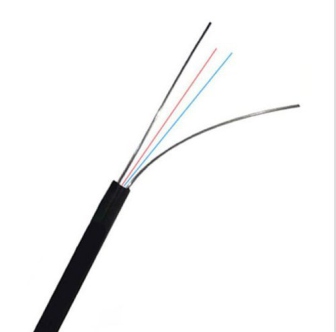
An optical fibre cable can contain multiple fibres and tubes. Colour identification helps installers distinguish one fibre from another during termination, splicing and record keeping. A colour is an identifier, not a statement about the fibre's optical performance.
The twelve-colour sequence
The TIA-598 sequence runs in this order:
- Blue
- Orange
- Green
- Brown
- Slate
- White
- Red
- Black
- Yellow
- Violet
- Rose
- Aqua
Keep this order alongside the cable schedule. Slate refers to the grey colour in the sequence; Rose and Aqua are separate colours, not alternative names for Red and Blue.
Fibres and tubes are separate identifiers
For a multitube cable, identifying a fibre requires both its tube and its position within that tube. Do not assume that a fibre colour alone identifies a unique fibre throughout the whole cable. Confirm the construction and identification schedule for the cable you receive.
Nova's optical fibre product information lists TIA-598 colour-coded fibres and tubes. The 288F construction uses 24 tubes, arranged as 9 inner and 15 outer tubes, with 12 fibres in each tube. The 48F unarmoured construction lists 6 tubes of 8 fibres.
Check before splicing
Read the cable schedule and confirm the tube and fibre identifiers before making a splice. Carry the same identifiers into the splice record and test record. A consistent record is easier to audit than a colour name written without its tube context.
If the project requires a specific identification arrangement, include it in the enquiry and confirm it against the supplier's specification before ordering.
Need a cable? Send a quick enquiry
Related products
02